Gorilla Trekking
Thrill into unforgettable Gorilla Trekking
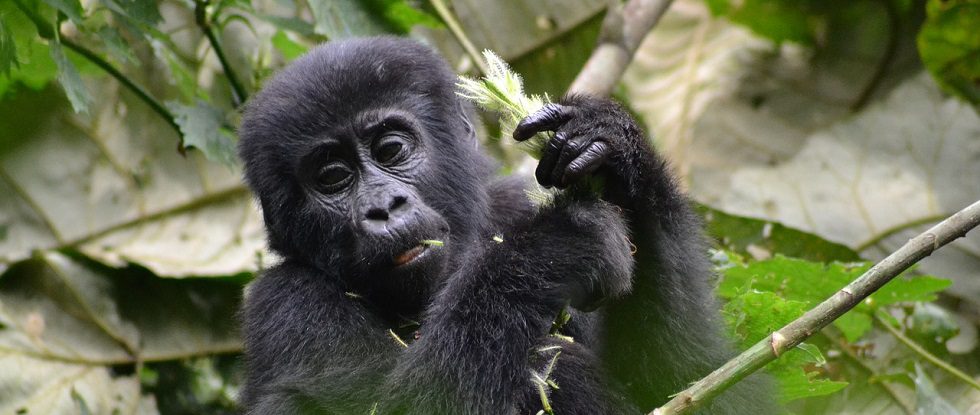
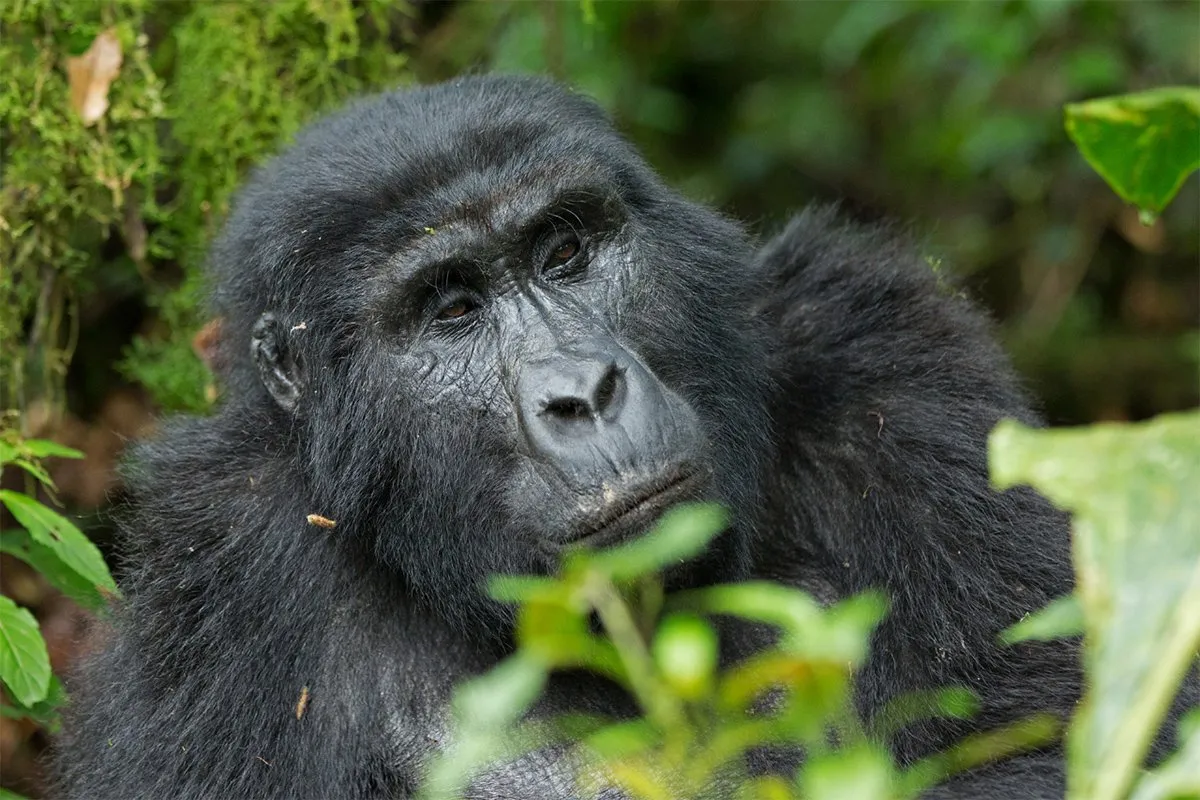
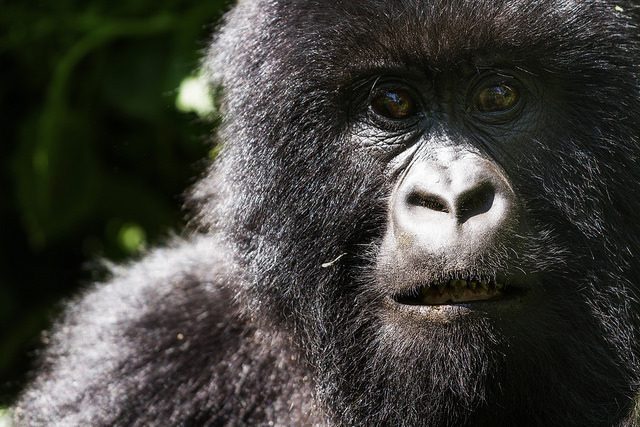
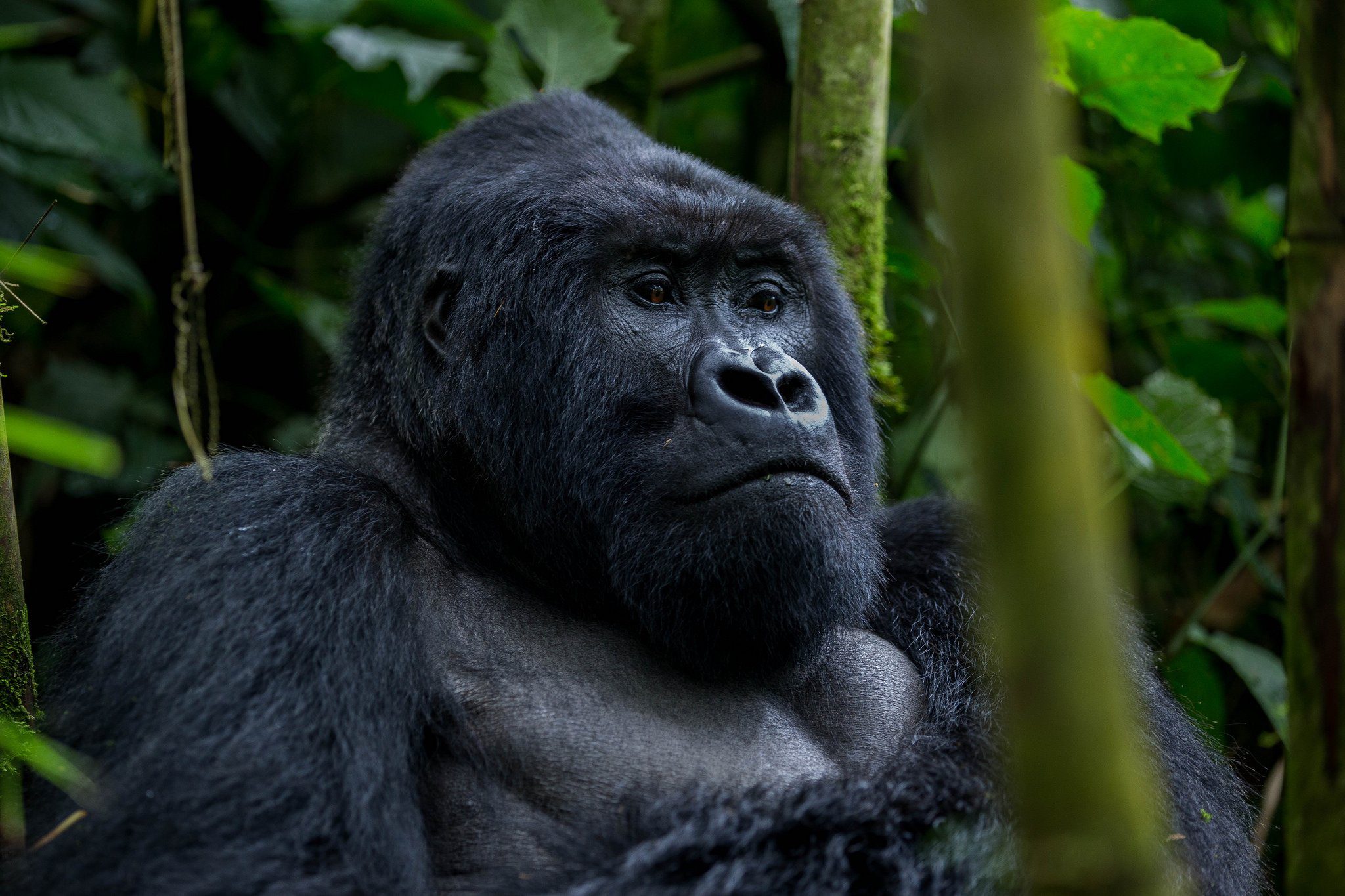
Gorilla trekking is more than a wildlife sighting it’s a humbling, intimate encounter with one of Earth’s most endangered and human-like species. Guided walks through misty montane forest lead you to family groups of mountain gorillas where, for a protected one-hour visit, you’ll observe gentle giants interacting, feeding and resting in their natural home.
This life-changing experience is available in Uganda, Rwanda and parts of the Democratic Republic of Congo.
Why choose a gorilla trek?
Rare & unforgettable: Mountain gorillas are critically endangered and visits are intentionally limited to protect them.
Close observation in the wild: Well-managed treks allow small groups to spend a fixed time (usually one hour) with a gorilla family under ranger supervision.
Conservation impact: Permit fees directly support habitat protection, anti-poaching patrols and community programs that benefit local people and gorilla protection.
Top parks & where to go
Bwindi Impenetrable National Park (Uganda) – home to over half of the world’s mountain gorillas and multiple trekking sectors that fit different fitness levels and travel plans. Bwindi offers some of the best habituated gorilla viewing and varied terrain.
Mgahinga Gorilla National Park (Uganda) – smaller and quieter, Mgahinga is ideal for combining gorilla trekking with golden monkey visits.
Volcanoes National Park (Rwanda) – compact park with excellent infrastructure and high success rates for sightings; Rwanda is known for offering premium gorilla-permit experiences.
Virunga National Park (DRC) – wild, remote and adventurous; Virunga offers outstanding gorilla encounters for travellers seeking off-the-beaten-path safari options.
Gorilla Trekking Safaris: Bwindi, Volcanoes & Virunga Adventures
Uganda + Rwanda + Congo
Let's get in touch
Request a Quote
Book a Trip
Request a Call Back
WHATSAPP NUMBER
+256 779 070 015
PHONE NUMBER
+256 740 940 468
info@primateholidays.com


5 Days Amboseli National Park Safari
Request a Quote Book a Trip Experience a magical Kenya safari with our 5 Days Amboseli National Park Safari. You’ll witness vast herds of white‑tusked elephants framed by snow‑capped Kilimanjaro. Moreover, you’ll

7 Days Kenya Wildlife Safari
Request a Quote Book a Trip Experience Kenya’s most iconic safari destinations in one memorable week. This 7 Days Kenya Wildlife Safari starts and ends in Nairobi and visits Samburu, Lake Nakuru,

15-Day Uganda Group Safari – Premium Mid-Range Experience 2026
Discover Uganda’s wild heart on the 15-Day Uganda Group Safari a perfectly paced journey that combines world-class wildlife, rare primates, dramatic landscapes, and authentic cultural encounters. From gorilla trekking in Bwindi

4 Days Rwanda and Uganda Safari
Experience the best of Rwanda and Uganda on this 4-day cross border safari, exploring two of East Africa’s biodiverse rainforests. Start your journey in Kigali and then cross to Uganda

7 Days Rwanda and Congo Safari
Experience the ultimate East-African adventure, combining Rwanda’s luxuriant landscapes with the Democratic Republic of Congo’s volcanic majesty. This expertly curated 7-day safari features mountain gorilla trekking, chimpanzee encounters, a thrilling Nyiragongo hike,

7 Days Murchison Falls, Kibale and Bwindi safari
Request a Quote Book a Trip Experience Uganda’s best in seven days. First, see rhinos at Ziwa. Next, explore wildlife and a boat cruise at Murchison Falls. Then, trek chimpanzees
Permits, cost & booking
Permits are mandatory. You must hold an official gorilla-trekking permit issued by the national park authority (UWA in Uganda, RDB in Rwanda, and park authorities in Congo). Permits regulate visitor numbers to protect gorillas.
Price differences: Rwanda’s permit price is higher (the Rwanda Development Board publishes the permit fee) while Uganda’s permit pricing varies by season & sector. Permit costs and availability change, so book well in advance – especially in high season (June–Sept & Dec–Jan).
Book early: Prime dates sell out months ahead; secure permits through a trusted tour operator or official booking portal.
What to expect on the trek (step-by-step)
Morning briefing & registration: Rangers and guides register trekkers, form small groups and assign a gorilla family.
Forest hike: Treks range from short walks to several hours through steep, muddy trails – carry water and a light pack.
Tracking & viewing: Rangers track the family and once found you’ll be allowed a protected hour nearby to observe quietly. Guides explain behaviour and ensure safety.
Return & certificate: After the hour you return to base; many parks issue a trekking certificate as a keepsake.
Gorilla Trekking Rules & Responsible Behaviour
Stay 7 metres (≈23 feet) from gorillas and follow ranger instructions at all times.
No touching or feeding. Flash photography is often restricted.
No entry if ill. To prevent disease transmission, anyone with a cough, fever, diarrhoea or recent contagious illness will be denied.
Small groups only (commonly up to 8 people per family) to reduce stress on gorillas.
Hire a local porter if you need help – it supports jobs and makes the trek safer for you.
(These rules protect both gorillas and visitors.)
Packing list & practical tips
Sturdy hiking boots, gaiters and long, lightweight trousers (for nettles and thorns).
Layered clothing (dawn can be cool, forest microclimate is damp).
Rain jacket, sun hat, insect repellent, water bottle, snacks and spare memory cards.
Small cash for local fees, tips and porter services.
Travel insurance that covers emergency evacuation.
If you’re unsure about fitness, hire a porter – they make steep trails manageable and your money supports local communities.
Health & age rules
Minimum age: Most parks require trekkers to be at least 15 years old to join gorilla treks. Permits and park rules vary; always confirm with the booking agent.
Vaccinations & malaria: Check routine vaccinations and malaria prophylaxis with your travel clinic before travel.
Conservation & community benefits
Gorilla tourism is a powerful conservation tool: permit revenue funds park management, anti-poaching, gorilla health programs and community projects that reduce human-wildlife conflict. Choosing ethical operators ensures more of your spending directly supports conservation and local livelihoods.


