Dive into nature’s magic to discover Tanzania’s secrets and spark your soul
Welcome to Tanzania - The Soul of African Safaris
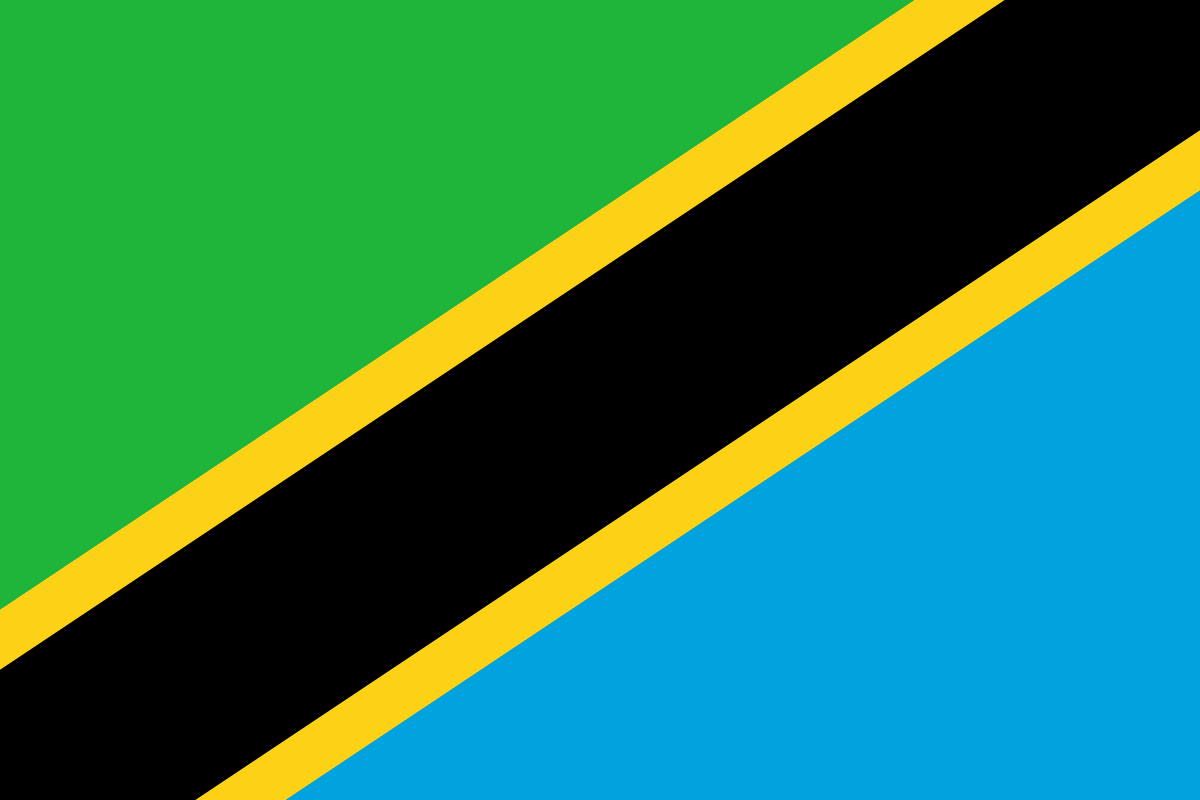
Official Name: United Republic of Tanzania
Location: East Africa
Capital City: Dodoma (legislative/administrative), while Dar es Salaam is the commercial hub
Nickname: Land of Kilimanjaro, “Bongo,” or Spice Island (specifically for Zanzibar)
Tanzania is the largest country in East Africa by land area. It borders eight countries: Kenya and Uganda to the north; Rwanda, Burundi, and the Democratic Republic of Congo to the west; and Zambia, Malawi, and Mozambique to the south. Its eastern side is a long coastline along the Indian Ocean
It is an experience that defines Africa itself. Located in East Africa, this extraordinary country offers one of the most authentic, diverse, and unforgettable safari adventures on the continent. From the endless plains of the Serengeti to the white-sand beaches of Zanzibar, Tanzania combines raw wilderness, rich culture, and breathtaking landscapes into one seamless journey.
Ranked among the best safari destinations in Africa, Tanzania is globally renowned for its unmatched wildlife encounters, iconic national parks, and natural wonders that exist nowhere else on earth.
Geographical & Regional Facts:
- Climate: Varies from tropical and humid on the coast to temperate in the highlands. The central plateau is semi-arid.
- Water Resources: Home to parts of Africa’s three largest lakes – Victoria, Tanganyika (the world’s longest freshwater lake), and Nyasa. The government is currently developing a National Water Grid to link major rivers and lakes for more reliable supply.
- Terrain: Boasts the highest point in Africa, Mount Kilimanjaro. It also features the Great Rift Valley and the Serengeti plains, famous for the Great Migration.
- Union: Tanzania was formed in 1964 by the union of Tanganyika and the Zanzibar archipelago (including Unguja and Pemba islands)
Why Tanzania is a Top Safari Destination
Whether you’re dreaming of witnessing the Great Migration, climbing Mount Kilimanjaro, or relaxing on tropical islands, Tanzania delivers a once-in-a-lifetime travel experience.
Tanzania is one of the most geographically diverse countries in Africa, featuring:
- Vast savannahs and national parks
- Mountains and volcanic landscapes
- Lakes and rivers
- Tropical islands and coral reefs
Nearly 38% of Tanzania’s land is protected for conservation, making it one of the leading countries in wildlife preservation globally.
The country is often described as “Africa in one destination” because within a short distance, travelers can experience deserts, forests, mountains, lakes, and vast plains.
1. Home to Africa’s Greatest Wildlife Experiences
Tanzania offers some of the highest concentrations of wildlife in Africa, with over 1,000 animal species found across its protected areas.
- Witness the Great Wildebeest Migration – one of the most spectacular natural events on earth, involving over 1.5 million animals moving across the Serengeti ecosystem.
- Spot the famous Big Five (lion, elephant, leopard, buffalo, rhino) in their natural habitat
- Explore vast, untouched ecosystems with fewer crowds compared to other safari destinations
Tanzania has over 22 national parks and numerous reserves, making it one of the most wildlife-rich countries globally.
2. Iconic Landscapes You Won’t Find Anywhere Else
Tanzania’s landscapes are incredibly diverse and dramatic:
- The Serengeti Plains endless savannah teeming with wildlife
- The Ngorongoro Crater – a UNESCO World Heritage Site and natural wildlife sanctuary
- Mount Kilimanjaro – Africa’s highest peak at 5,895m and the world’s tallest free-standing mountain
- The Great Rift Valley and vast lakes like Lake Victoria and Lake Tanganyika
Every region offers a different experience making Tanzania perfect for multi-destination safaris.
3. From Safari to Beach – The Perfect Combination
After thrilling wildlife encounters, unwind on the tropical islands of Zanzibar, known for:
- White sandy beaches and turquoise waters
- Rich Swahili culture and history
- World-class diving and snorkeling
Tanzania is one of the few destinations where you can combine safari, culture, and beach relaxation in one trip.
4. Authentic and Less Crowded Safari Experience
Unlike some other destinations, Tanzania offers vast, untouched wilderness where safaris feel natural and exclusive. Many parks are large and less crowded, giving visitors a more intimate connection with nature.
5. Rich Culture and Human Heritage
Tanzania is a melting pot of cultures, home to over 120 ethnic groups. Visitors can:
- Interact with the famous Maasai communities
- Explore ancient human history at Olduvai Gorge often called the “Cradle of Mankind”
- Experience vibrant traditions, music, and local cuisine
What Makes Tanzania Special for Tourists?
Tanzania stands out because it offers everything in one destination:
✔ World-class safaris and wildlife encounters
✔ The Great Migration (unique to Tanzania & Kenya)
✔ Africa’s highest mountain – Kilimanjaro
✔ Exotic beaches in Zanzibar
✔ Rich culture and authentic African experiences
✔ Year-round travel opportunities
In simple terms, if Africa had a heart, it would beat in Tanzania.
When is the Best Time to Visit Tanzania?
Choosing the best time to visit Tanzania depends on what kind of experience you’re looking for whether it’s dramatic wildlife encounters, fewer crowds, or lush scenic beauty. The country is a year-round destination, but certain months stand out for specific experiences.
1. June to October – Peak Safari Season (Great Migration)
This is widely considered the best time for safaris in Tanzania.
- Wildlife gathers around water sources, making animals easier to spot
- Perfect for visiting iconic parks like Serengeti National Park and Ngorongoro Crater
- Ideal weather: sunny days, cooler evenings, minimal rainfall
- Best time to witness parts of the Great Migration (river crossings often occur July–September)
Best for: First-time visitors, wildlife photography, Big Five safaris
2. November to March – Green Season (Calving & Birdwatching)
This period transforms Tanzania into a lush, green paradise.
- Calving season (January-February) in southern Serengeti thousands of baby wildebeest are born
- Excellent birdwatching with migratory species arriving
- Fewer tourists and lower prices compared to peak season
- Beautiful landscapes for photography
👉 Best for: Nature lovers, photographers, quieter safaris
3. April to May – Low Season (Long Rains)
This is the rainiest period in Tanzania.
- Some lodges and camps may close
- Roads in remote parks can become difficult to access
- However, prices are at their lowest and landscapes are incredibly green
👉 Best for: Budget travelers and those seeking solitude

Top safari activities in Selous Game Reserve
Evidently are various safari activities to do in Selous Game Reserve that travelers who visit Tanzania on Tanzania safaris / Tanzania safari tours / Tanzania tours can do. These are the top safari

Tarangire National Park
A unique national park and one of Tanzania’s must-see locations, Tarangire National Park is situated in Manyara region, it is 118 kilometres from Arusha, the region’s principal city, and around

Serengeti National Park
Serengeti National Park is one of Africa’s most iconic wildlife destinations and a UNESCO World Heritage Site, globally renowned for its breathtaking landscapes, exceptional wildlife diversity, and the spectacular Great

Selous Game Reserve
Tanzania’s Selous game reserve is located in the Miombo woodlands between 130 and 500 kilometres south-west of Dar es Salaam. In northwest, Selous Game Reserve borders Mikumi National Park, Udzungwa

Ruaha National Park
Ruaha National Park is known as among the largest national park in Tanzania, which is located in the remote south-central region. It is 130 kilometres away from the magnificent Kizigo-Muhesi

Ngorongoro Conservation Area
Ngorongoro Conservation Area is one of the seven natural wonders of the world and a UNESCO World Heritage Site. It is situated in northern Tanzania, along the northern safari route,
Let's get in touch
Request a Quote
Book a Trip
Request a Call Back
WHATSAPP NUMBER
+256 779 070 015
PHONE NUMBER
+256 740 940 468
info@primateholidays.com
Serengeti National Park
Located in northern Tanzania across the eastern Mara region and the north‑eastern Simiyu area, spans roughly 14,763 km². Bordering the Ngorongoro Crater to the north and Kenya’s Maasai Mara to the north‑west, this UNESCO World Heritage Site is world‑renowned for its spectacular annual wildebeest migration often called the greatest wildlife show on earth.
Beyond the migration, the Serengeti supports Africa’s largest populations of lions, elephants, leopards, cheetahs, and countless other mammals and bird species, making it an outstanding year‑round safari destination. Visitors can choose from a variety of unique camps and cottages dotted throughout the park, ensuring comfortable accommodations amid the breathtaking wilderness.
Lake Manyara National Park
Nestled between Lake Manyara and the rim of the Great Rift Valley, spans approximately 325 km², with almost 230 km² occupied by the soda‑ash lake itself. From its shores, visitors enjoy sweeping views of the Rift Valley floor, surrounding highlands, and lush forests.
The park is renowned for its remarkable wildlife, including its famous tree‑climbing lions. Herds of elephants wander along the water’s edge, Maasai giraffes browse the acacia-dotted plains, and impalas, olive baboons, Sykes’s monkeys, and cheetahs all call this park home.
Beyond its mammals, Lake Manyara boasts over 400 bird species. Each season, the lake’s shoreline glows pink with thousands of flamingos, while bird‑watchers delight in spotting pelicans, storks, and raptors during guided game drives, walking safaris, or dedicated bird‑watching excursions.
Tarangire National Park
Covers some 2,600 km² in northern Tanzania, making it the country’s sixth‑largest protected area. It’s especially famous for hosting the largest elephant herds in any Tanzanian park, wandering beneath iconic baobabs and acacia trees.
The park’s landscape is a mosaic of woodlands, wetlands and open grasslands that shift with the seasons. The Tarangire River its lifeblood flows northward toward Lake Burungi, drawing wildlife throughout the dry months. In contrast, the southern reaches dry into sprawling marsh‑turned‑steppes, offering wide vistas and rich grazing.
Beyond its elephants, Tarangire supports a remarkable diversity of fauna: predators like lions and leopards, plains grazers such as wildebeest and zebra, and over 500 bird species, from stately Kori bustards to petite pygmy falcons and colorful ashy starlings.
While the park can be visited year‑round, the period from June to November is ideal, as animals congregate along the riverbanks under the clear, dry skies.
Mount Kilimanjaro National Park
Located near the town of Moshi, spans roughly 1,688 km² and is crowned by Mount Kilimanjaro the tallest mountain in Africa and the world’s highest free‑standing peak at 5,895 m above sea level. Its varied landscapes, from lush montane forests up to alpine deserts and icy summits, create habitats for a remarkable range of wildlife.
Within the park you can encounter Cape buffalo, giraffes, grey duikers, leopards, elephants, tree hyrax and many more species. The lower slopes and forested trails are also alive with troops of monkeys, offering memorable sightings on guided hikes and nature walks.
The best times to visit are January through March and June through October, when clear skies and mild weather make for excellent visibility and comfortable trekking conditions. Whether you’re aiming for the summit or a scenic day walk, these months offer the most reliable opportunities to experience Kilimanjaro’s stunning vistas.
Nyerere National Park
Formerly known as the Selous Game Reserve, is a UNESCO World Heritage Site in southern Tanzania. At over 50,000 km², it is Africa’s largest protected area, encompassing vast forests, grasslands, open woodlands and mountains. Situated roughly 219 km from Dar‑es‑Salaam, the park offers a range of accommodations from rustic bush camps to luxury lodges suited to every kind of traveller.
This expansive reserve supports an extraordinary diversity of wildlife. Visitors may encounter buffaloes, lions, giraffes, wildebeests, hippos, crocodiles and a host of antelope species such as impala, puku, sable and eland. Predators like hyenas and African wild dogs roam alongside herds of waterbuck and unique species such as Lichtenstein’s hartebeest and bushbuck, while zebras graze the plains.
Birdwatchers will delight in over 445 recorded species. From giant kingfishers and African fish eagles to bee‑eaters, hornbills, turacos and pelicans, the skies and waterways teem with life. The park’s prime season runs from June through October, when dry conditions make wildlife sightings most rewarding.
Mahale Mountains National Park
Nestled along the eastern shores of Lake Tanganyika in Tanzania’s Kigoma region, offers an intimate and less crowded safari experience. Established primarily to safeguard the area’s rare chimpanzee population, the park is celebrated for its stunning lakeside sunsets and unspoiled wilderness.
Spanning a mosaic of habitats including grasslands, alpine bamboo forests, woodlands, and montane rainforest the park supports over fifty species of wildlife. In addition to its famed chimpanzees, visitors may encounter vervet and red colobus monkeys, olive baboons, antelopes, and even lions roaming these varied landscapes.
Mahale invites travelers to engage with nature through guided safaris, bush walks, birdwatching excursions, hiking trails, and fishing along the lake’s edge. For those seeking the clearest chimpanzee sightings, the dry months from July through October are ideal, when larger groups of chimpanzees often gather near the water.
Whether you’re tracking chimpanzees through forested slopes or simply soaking in the serene views of Lake Tanganyika at dusk, Mahale Mountains National Park delivers a genuine, off‑the‑beaten‑path African adventure.
Ruaha National Park
Tanzania’s largest protected area at roughly 20,226 km², lies about 130 km west of Iringa and spans both central and southern regions of the country. Its landscape is a mosaic of riverine grasslands, open savannah, and iconic baobab-studded vistas, offering visitors breathtaking scenery at every turn.
The park supports an impressive array of predators including leopards, hyenas, jackals, crocodiles, and cheetahs and is renowned as the best place in Tanzania to spot the elusive African wild dog. Ruaha can be visited year‑round, but birdwatchers will find the rainy season especially rewarding, when migratory species flock to its waterways and grasslands.
Katavi National Park
Tucked away in Tanzania’s remote Katavi region, offers an authentic, off‑the‑beaten‑path safari experience. Its isolation means fewer visitors but abundant wildlife lions, leopards, spotted hyenas, wild dogs and jackals are more frequently spotted here than in many other parks. Alongside these predators, vast herds of elephants, giraffes, Cape buffaloes and zebras graze the open plains, joined by reedbucks, sable and roan antelopes, and impalas.
The park’s namesake river, Katavi, winds through acacia woodlands and floodplains, feeding two seasonal lakes Katavi and Chada where hippos and crocodiles congregate. Because water is scarce outside the wet season, wildlife sightings along these waterways can be spectacular, offering close‑up views of both predator and prey drawn by the life‑giving moisture.
Accommodations are limited to just a handful of camps and lodges Katavi Wildlife Camp, Mbali Mbali Katavi Lodge, Simply Saadani Camp and Babs Camp ensuring an intimate stay but requiring advance planning. While wildlife can be seen year‑round, the optimal window runs from June through November, when the dry season concentrates animals around the remaining water sources, making every game drive a chance to witness nature at its most raw and dramatic.
Ngorongoro Conservation Area
Situated along Tanzania’s northern safari circuit adjacent to Serengeti National Park, is a UNESCO World Heritage Site renowned for its immense volcanic crater. As the world’s largest intact caldera, it offers visitors a concentrated wildlife experience without moving between parks.
The crater floor encompasses a mosaic of habitats lush wetlands, pockets of forest, and open savannah creating sweeping vistas and supporting extraordinary biodiversity. Over 30,000 animals roam here year‑round, including lions, elephants, black rhinos, giraffes and various antelope species, all visible against the dramatic crater walls.
Beyond wildlife, Ngorongoro’s remote rim vistas feel utterly untouched, with viewpoints that seem suspended in time. For the best combination of verdant scenery and wildlife activity, plan your safari between April and May, when seasonal rains have transformed the crater into a vibrant green haven.
Mount Kilimanjaro
Rising to 5 895 metres (19 340 feet), is Africa’s tallest peak and the highest free‑standing mountain on Earth. Its majestic snow‑capped slopes attract both casual admirers and determined climbers, offering a soul‑stirring presence whether you simply stand beneath its shadow or venture toward its summit.
Despite its lofty height, Kilimanjaro is surprisingly accessible. During the dry seasons from July to October and January to March no technical climbing skills are required. Well‑marked routes, experienced guides and porter support mean that most trekkers with reasonable fitness can attempt the ascent.
That said, reaching the top demands thorough preparation. Organizing permits, equipment, acclimatization schedules and supplies is essential to cope with changing weather, high‑altitude conditions and the physical rigours of a multi‑day trek. With proper planning, however, Kili’s icy crown is within reach of many adventurers.
Zanzibar
Often called Tanzania’s “Spice Island,” is the perfect finale to an East African adventure. Its powdery white beaches and vibrant coral reefs invite you to unwind, while traditional dhow sails at sunset add a touch of romance. Wandering through its fragrant back‑street markets offers a glimpse into local life, making Zanzibar ideal for both families and honeymooners.
Beyond Zanzibar, Tanzania’s other Indian Ocean gems Pemba, Mafia and Chole also deliver unforgettable beach escapes. Each island boasts top‑notch dive sites, charming boutique lodges and indulgent spa experiences. Whether you’re seeking underwater thrills or simply want to relax by the sea, these islands offer all the pampering and adventure your tropical getaway could desire.

9 Days Gorilla & Wildlife Expedition
This unforgettable 9-day cross-border expedition blends three of East Africa’s most iconic experiences: gorilla trekking, savannah safaris, and cultural discovery. You’ll begin your journey in Uganda’s lush Bwindi Impenetrable Forest,

4 Days Maasai Mara Wildebeest Migration Safari
Request a Quote Book a Trip Get on once in lifetime 4-day adventure into the heart of Kenya’s most famous wilderness. The Maasai Mara Wildebeest Migration Safari offers you a front-row

5 Days Maasai Mara and Serengeti safari from Nairobi
Request a Quote Book a Trip Experience East Africa’s premier wildlife highlights on this immersive journey. Tour Highlights Day 1: Nairobi → Maasai Mara Reserve (afternoon game drive) Day

14 Days Rwanda, Kenya and Tanzania Safari
Request a Quote Book a Trip Step out of your comfort zone and get onto 14-day safari adventure through Rwanda, Kenya, and Tanzania. Discover lush rainforests, rolling savannahs, and awe-inspiring wildlife encounters

13-Day East Africa Multi-City Tour: Kampala, Kigali, Dar es Salaam, Nairobi & Addis Ababa
This extraordinary 13-day cross-border journey takes you through five dynamic East African capitals, offering a unique tapestry of heritage, history, innovation, and culture. Starting in Uganda’s verdant capital of Kampala,

The Ultimate 16-Day Tanzania Safari + Victoria Falls Combo
Why Tanzania is the Perfect East Africa Destination to Pair with Victoria Falls Iconic wildlife spectacles: Serengeti National Park (Great Migration territory) and Ngorongoro Crater deliver world-class Big Five game

