What Travelers Need to Know in 2026
Is It Safe to Travel to Uganda During the Ebola Situation?
One of the most common questions travelers ask when planning a safari in Uganda is:
“Is it safe to visit Uganda during an Ebola outbreak?”
The short answer is yes, Uganda remains open for tourism, and most tourism activities continue to operate normally.
Uganda has extensive experience managing public health situations and has developed one of the strongest outbreak response systems in Africa. The country’s health authorities work closely with the World Health Organization (WHO), tourism stakeholders, and international partners to monitor and contain outbreaks whenever they occur.
For visitors planning gorilla trekking, chimpanzee tracking, wildlife safaris, birdwatching tours, or cultural experiences, it is important to understand the facts rather than relying solely on international headlines.
Understanding the Current Ebola Situation in Uganda
Uganda has faced Ebola outbreaks before and has repeatedly demonstrated its ability to quickly identify, monitor, and contain cases through surveillance, contact tracing, testing, and public health interventions.
The country successfully ended a previous Ebola outbreak in April 2025 after implementing extensive monitoring and response measures.
Health authorities continue to work closely with international organizations to strengthen preparedness, screening, and outbreak management where necessary.
Are Uganda's National Parks Open?
Yes, Uganda’s major tourism destinations remain open and accessible to visitors.
This includes:
- Bwindi Impenetrable National Park
- Mgahinga Gorilla National Park
- Kibale Forest National Park
- Queen Elizabeth National Park
- Murchison Falls National Park
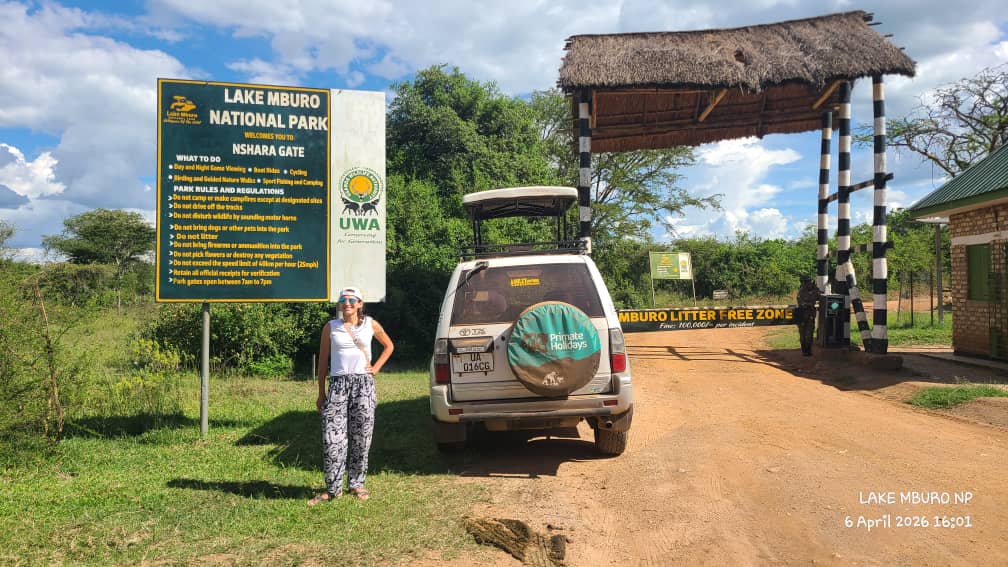
- Lake Mburo National Park
- Kidepo Valley National Park
Gorilla trekking permits continue to be issued, safari lodges remain operational, and wildlife experiences continue according to schedule.
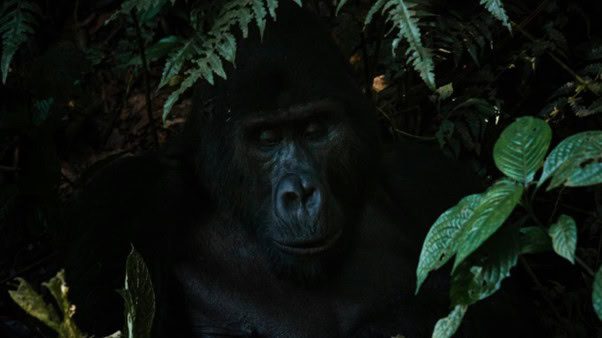
Gorilla Trekking in Uganda Remains One of Africa's Safest Tourism Experiences
Many travelers are concerned about whether gorilla trekking is affected by Ebola.
The answer is that gorilla trekking operations continue under established tourism and conservation guidelines.
Uganda Wildlife Authority, park authorities, tour operators, and lodges follow health and safety procedures designed to protect both visitors and wildlife.
For many travelers, gorilla trekking remains the highlight of their African safari experience and continues to attract visitors from around the world.
Why International Headlines Can Be Misleading
When international media reports “Ebola in Uganda,” many readers assume the entire country is affected.
In reality, outbreaks are often localized and managed through targeted public health interventions rather than nationwide shutdowns. Uganda’s tourism destinations are spread across different regions, many far from affected areas.
Health officials continue to emphasize surveillance, contact tracing, and rapid response measures to prevent wider spread.
This is why tourism activities often continue normally even while health authorities manage specific cases.
Uganda's Strong Experience in Managing Ebola
Uganda is internationally recognized for its experience in handling infectious disease outbreaks.
The country’s response systems include:
- Rapid response teams
- Contact tracing programs
- Laboratory testing capacity
- Health screening procedures
- Community awareness programs
- Coordination with WHO and international partners
Previous outbreaks have demonstrated Uganda’s ability to quickly contain cases and restore normal operations.
What Travelers Should Know Before Visiting Uganda
If you are planning a safari in Uganda, consider the following:
Stay Informed
Follow updates from Uganda’s Ministry of Health, WHO, and your tour operator.
Travel with a Reputable Tour Company
Working with an experienced operator ensures you receive accurate travel information and support before and during your trip.
Follow Basic Health Advice
As with any international travel, maintain good hygiene practices and follow any official health recommendations.
Purchase Travel Insurance
Comprehensive travel insurance is recommended for all international travel.
Why Uganda Remains One of Africa's Best Safari Destinations
Despite occasional public health concerns, Uganda continues to be one of Africa’s most extraordinary destinations.
Visitors can experience:
- Mountain gorilla trekking in Bwindi
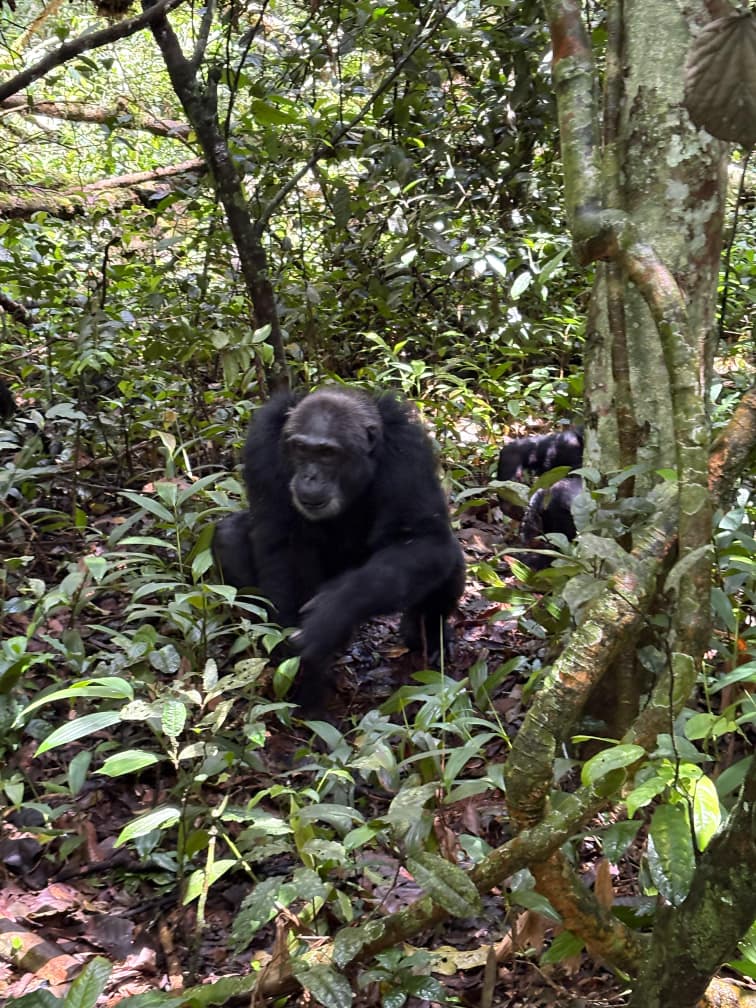
- Chimpanzee tracking in Kibale Forest
- Big Five wildlife safaris
- Boat cruises on the Kazinga Channel
- Birdwatching adventures
- Cultural encounters with local communities
- Scenic landscapes and authentic experiences
Few destinations offer the diversity of experiences found in Uganda.
Our Commitment to Traveler Safety
At Primate Holidays, the safety and well-being of our guests remain our highest priority.
We continuously monitor official health updates, maintain communication with tourism authorities, and provide our guests with accurate, up-to-date travel information.
Our team is committed to ensuring that every traveler enjoys a safe, seamless, and unforgettable safari experience in Uganda and across East Africa.
Final Thoughts: Should You Cancel Your Uganda Safari?
Uganda remains open for tourism, national parks continue operating, and gorilla trekking and wildlife safaris are taking place as normal.
Rather than relying on alarming headlines, travelers should seek information from official health authorities, tourism professionals, and trusted local experts.
Uganda remains one of Africa’s most rewarding safari destinations, offering incredible wildlife encounters, breathtaking scenery, and life-changing adventures.
If you are planning a gorilla trekking safari or wildlife tour, contact our team for the latest travel information and personalized safari advice.
Book your next adventure with Primate Holidays
Whether it’s your first safari or your fifth, Uganda will surprise you, not with cliches, but with authenticity, colour, and life
Dream it, we'll plan it