Gorilla permits represent your gateway to one of the world’s most extraordinary wildlife experiences: trekking through Uganda’s lush forests to observe mountain gorillas in their natural habitat. With only about 1,000 mountain gorillas left in the wild, half residing in Uganda, these permits not only grant access but also contribute directly to conservation initiatives managed by the Uganda Wildlife Authority (UWA).
If you’re planning a trip in 2026, understanding how to obtain gorilla permits is crucial, as demand often outstrips supply. This comprehensive guide covers everything from the booking process and costs to tips for preparation, ensuring your journey is seamless and enriching.
Whether you’re a first-time adventurer or a seasoned traveler, securing gorilla permits can be straightforward with the right approach.
Why Gorilla Permits Matter: A Blend of Adventure and Conservation
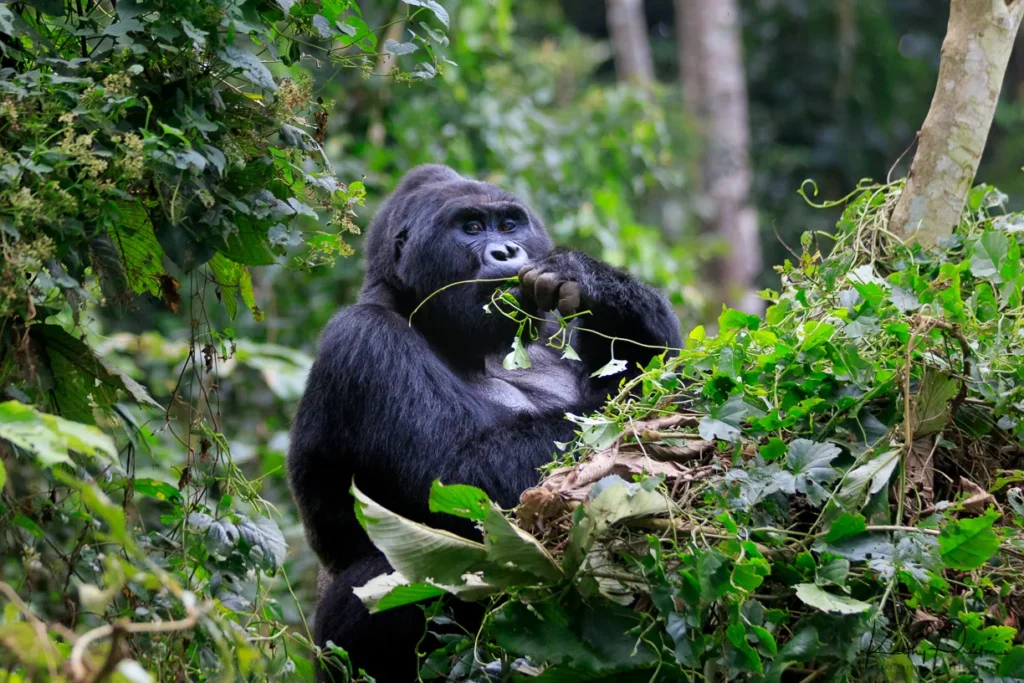
Gorilla permits are more than just entry tickets – they’re a commitment to protecting these endangered primates. Issued exclusively by UWA, each permit allows a limited group of eight visitors per gorilla family per day, minimizing human impact while funding anti-poaching efforts, habitat preservation, and community programs.
In Uganda, trekking occurs in two primary locations: Bwindi Impenetrable National Park, with its four sectors (Buhoma, Ruhija, Rushaga, and Nkuringo) hosting over 25 habituated gorilla families, and Mgahinga Gorilla National Park, home to the Nyakagezi family.
This regulated system ensures sustainable tourism, balancing visitor excitement with ecological responsibility. By obtaining gorilla permits, you’re supporting initiatives that have helped gorilla populations stabilize, making your trek a meaningful contribution to global biodiversity.
Step-by-Step Process: How to Get Your Gorilla Permits in Uganda
Securing gorilla permits involves careful planning, especially since only around 200 permits are available daily across Uganda’s parks. Here’s a detailed, step-by-step breakdown to help you navigate the process effectively:
1. Determine Your Travel Dates and Preferences:
Start by deciding when you’d like to trek. Dry seasons (June to September and December to February) offer easier trails and clearer weather, ideal for photography and comfort. Wet seasons (March to May and October to November) might involve muddier paths but could mean shorter hikes as gorillas forage closer to trails.
Also, specify your preferred park or sector – Buhoma is great for beginners with milder hikes, while Rushaga offers more challenging terrain and diverse families. Consider if you want a standard one-hour trek or the extended four-hour habituation experience, available only in Bwindi’s southern sectors.
2. Choose Between Direct Booking or a Tour Operator
While you can contact UWA directly via email or their Kampala office, this is typically recommended only for Ugandan residents or those already in the country. For international visitors, partnering with a licensed tour operator is the most efficient route.
Operators like Primate Holidays handle availability checks, reservations, and logistics, often bundling permits with accommodations, transport, and guides.
They access UWA’s booking system and can suggest alternatives if your dates are unavailable. Expect a small handling fee, usually $15-50 per permit, which is worth it for the convenience.
3. Check Availability
Reach out to your chosen operator with your details (dates, number of people, and passport information). They’ll query UWA’s system – availability is checked via email or in-person at reservation offices. If slots are open, you’ll receive a proforma invoice.
Permits can be reserved up to a year in advance, but popular dates fill quickly, so aim for 6-12 months ahead, particularly during peak periods like July, August, or December.
4. Make Payment and Confirm
Reservations hold for about 7 days without payment. Pay the full amount (or a deposit, depending on the operator) via bank transfer, credit card, or approved methods to UWA’s accounts. Provide passport copies for personalization – permits are non-transferable and include your name and photo ID details.
Once paid, you’ll get a digital or printed confirmation. Operators like Primate Holidays require a 25% deposit for bundled packages, with full payment closer to travel.
5. Prepare for Your Trek
On arrival, present your permit at the park’s visitor center for briefing and ranger assignment. Groups are formed based on fitness levels, and you’ll be allocated a gorilla family on the day. Remember, trekkers must be at least 15 years old, and health checks (like COVID protocols, if applicable) may apply.
This process ensures your gorilla permits are secured reliably, avoiding last-minute hassles.
Understanding Gorilla Permit Costs: Breaking Down the 2026 Rates
Costs for gorilla permits in Uganda were updated in July 2024 and remain valid through June 2026, reflecting increased conservation needs. These fees are per person, per trek, and include park entry but not additional services like porters (optional at ~$20). Here’s a detailed table for clarity:
| Permit Type | Foreign Non-Residents | Foreign Residents | Rest of Africa Citizens | East African Citizens |
|---|---|---|---|---|
Standard Trekking (1 Hour) | $800 USD | $700 USD | $500 USD | 300,000 UGX (~$80 USD) |
Habituation Experience (4 Hours) | $1,500 USD | $1,000 USD | $1,000 USD | 750,000 UGX (~$200 USD) |
Compared to Rwanda’s $1,500 standard permit, Uganda offers a more affordable option while providing similar intimate encounters. No discounts are available as of 2025, and prices support essential programs like habitat protection. Budget extra for operator fees, travel insurance, and tips.
Best Times and Locations for Gorilla Trekking with Your Permits
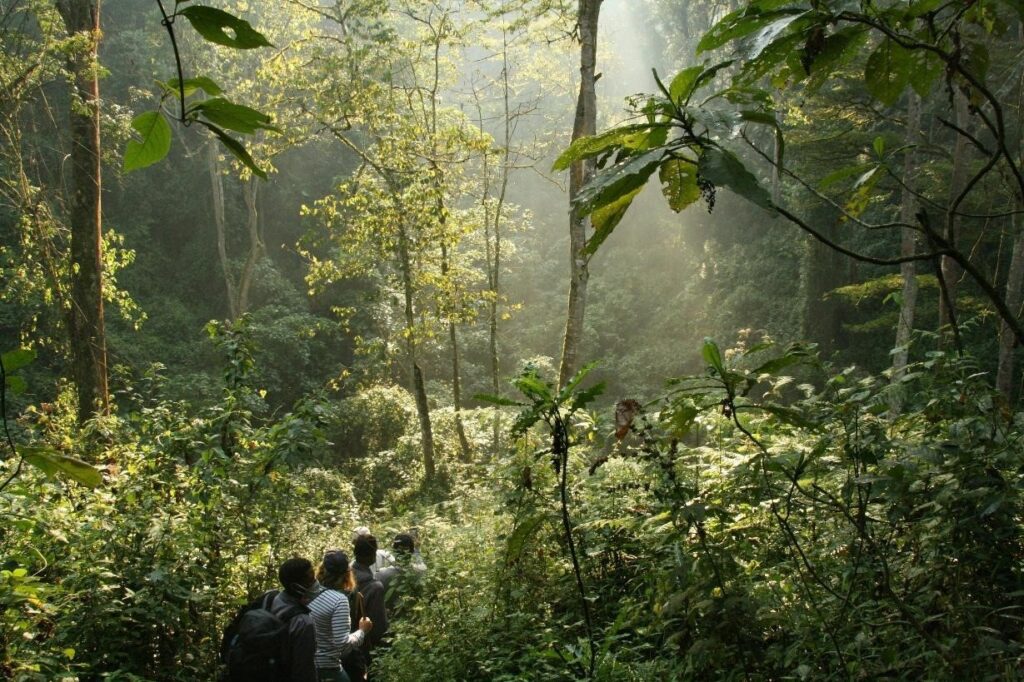
Timing your trek enhances the experience. Dry seasons provide stable weather for hikes, reducing the risk of slippery trails, while wet seasons offer lush scenery and possibly easier gorilla sightings. Bwindi’s sectors vary in difficulty: Buhoma for moderate treks, Nkuringo for steeper ones.
Mgahinga adds volcanic landscapes and chances for golden monkey sightings. Communicate preferences to your operator when booking gorilla permits to align with available slots.
Preparation Tips: What to Pack and Expect on Your Gorilla Trek
Once your gorilla permits are in hand, focus on readiness. Treks can span 2-7 hours over uneven terrain, so build stamina with cardio exercises. Essential packing list includes:
- Clothing: Long-sleeved shirts, pants, sturdy hiking boots, gloves, and a rain jacket.
- Gear: Daypack, camera (no flash), binoculars, insect repellent, sunscreen, and a headlamp.
- Health Items: Bottled water, snacks, first aid kit, and any medications.
- Etiquette: Maintain 7 meters from gorillas, avoid direct eye contact, and follow ranger instructions to prevent disease transmission.
Hiring a porter supports local communities and eases your load. Post-trek, relax in eco-lodges near the parks for a well-rounded safari.
Common Challenges and How to Overcome Them
Availability is the biggest hurdle – permits sell out fast for peak times. If your dates are booked, operators can suggest flexible alternatives or waitlists. Cancellations are possible but come with fees (e.g., full refund if 90+ days out via some operators).
Weather unpredictability? Pack versatile gear. For groups, book together to ensure the same family assignment.
Why Choose Uganda for Gorilla Permits: Unique Advantages
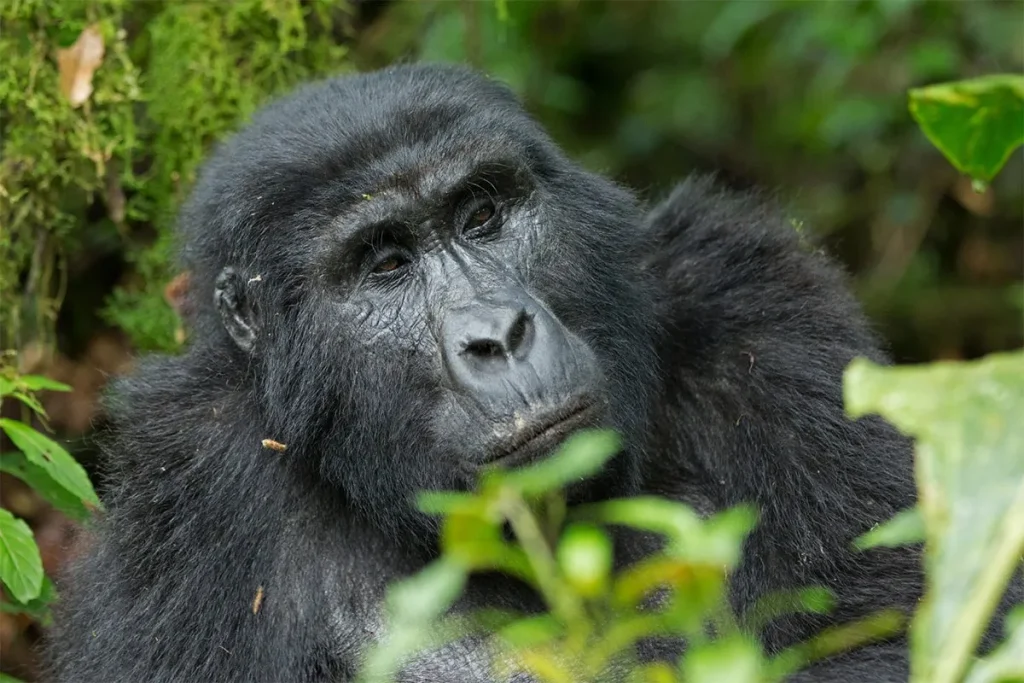
Uganda’s gorilla permits offer value beyond the trek: Combine with chimpanzee tracking in Kibale National Park or safaris in Queen Elizabeth National Park.
The country’s cultural richness, from vibrant markets to community visits, adds depth. With affordable permits and diverse itineraries, it’s an accessible entry to primate adventures.
In summary, securing gorilla permits in Uganda opens doors to profound connections with nature.
Contact a tour operator today and step into the wild.
Ready to start?
By booking early through trusted operators and preparing thoughtfully, your 2026 trek will be transformative.
Dream it, we'll plan it